Civil & Commercial Litigation
Civil and Commercial Litigation Law Firm for Commercial Suits, Recovery and Contract Disputes
Litigation Law Firm for Commercial Suits, Recovery and Contract Disputes
IndiaLaw LLP’s civil and commercial litigation practice acts for companies, banks, financial institutions and individuals in disputes over contracts, unpaid money, property and commercial transactions. The practice is led by Partner Nidhi Singh, whose 19 years of practice cover commercial transactions, joint ventures, share purchase agreements, construction contracts and recovery disputes.
We take a matter from the first legal notice through trial, appeal and execution of the decree. Our teams in Mumbai, Delhi, Noida, Bengaluru, Chennai, Hyderabad, Kolkata and Kochi appear before civil and commercial courts, the High Courts, the Debts Recovery Tribunals, the National Company Law Tribunal and the consumer commissions, and before the Supreme Court of India.
This page covers suits and disputes in the civil and commercial courts. Arbitration, insolvency and criminal litigation have their own practice pages.
Our Services
Commercial suits under the Commercial Courts Act, 2015
- Suits on commercial disputes with a specified value of ₹3 lakh or more, before commercial courts and the commercial divisions of the High Courts
- Pre-institution mediation under Section 12A, which is mandatory unless the suit seeks urgent interim relief
- Pleadings, disclosure and inspection of documents under Order XI of the CPC as amended for commercial disputes, and case management hearings under Order XV-A
- Applications for summary judgment under Order XIII-A where a claim or defence has no real prospect of succeeding
- Commercial appeals under Section 13 of the Act
Recovery and summary suits
- Summary suits under Order XXXVII of the CPC to recover debts and liquidated demands arising from written contracts, bills of exchange, promissory notes and guarantees
- Money recovery suits, including claims for contractual and statutory interest
- Cheque dishonour complaints under Section 138 of the Negotiable Instruments Act, 1881, run alongside civil recovery where that helps
- Recovery applications by banks and financial institutions before the Debts Recovery Tribunals for debts of ₹20 lakh and above
Injunctions and interim relief
- Temporary injunctions under Order XXXIX Rules 1 and 2 of the CPC, including urgent ex parte applications
- Attachment before judgment under Order XXXVIII and appointment of court receivers under Order XL
- Permanent and mandatory injunctions as final relief
Contract and specific performance disputes
- Suits for specific performance, which courts grant as a rule since the Specific Relief (Amendment) Act, 2018, subject to the exceptions in the Act
- Damages claims for breach of contract, including liquidated damages and indemnity claims
- Disputes under joint venture agreements, share purchase agreements and construction contracts
Property and title suits
- Suits for declaration of title, possession, partition and cancellation of instruments
- Defending suits that challenge a client’s title or possession
Consumer disputes
- Complaints and defence before the District, State and National Consumer Disputes Redressal Commissions under the Consumer Protection Act, 2019
Appeals, writs and execution
- First and second appeals, revisions and writ petitions before the High Courts, and special leave petitions before the Supreme Court
- Execution of decrees under Order XXI of the CPC, including attachment and sale of the judgment debtor’s assets
Key Highlights
Many commercial suits are decided by what happens before filing: whether the claim is in time, in the right court, and backed by documents that prove it. We check limitation, jurisdiction and the documentary record first. Under the Commercial Courts Act, a plaintiff cannot later rely on documents in its power that were not disclosed with the plaint without the court’s leave, and a defendant gets no more than 120 days for its written statement, so gaps are hard to fix once the suit is filed.
Where a dispute can settle, we use Section 12A mediation and court-annexed mediation. Where it cannot, we move early for interim relief, because an injunction or an attachment before judgment usually decides how much pressure each side can bring for the rest of the case.
Related Expertise
Key Professionals

Nidhi Singh

Vinod P.V.

G.P. Yash Vardhan

Pranava Charan MG

Tannya Baranwal

Asav Rajan Arora

Khushboo Rupani
FAQs
What does a civil and commercial litigation law firm handle?
Suits over contracts, unpaid money, property and commercial transactions, from the legal notice to trial, appeal and execution. Our practice also covers interim relief such as injunctions, consumer complaints, and recovery applications before the Debts Recovery Tribunals.
What counts as a commercial dispute under the Commercial Courts Act, 2015?
Section 2(1)(c) lists them. The list includes ordinary transactions of merchants, bankers, financiers and traders, export and import, construction and infrastructure contracts, partnership, joint venture and shareholder agreements, intellectual property, sale of goods and services, and insurance. If the specified value is ₹3 lakh or more, the suit goes to a commercial court or the commercial division of a High Court.
Is mediation compulsory before filing a commercial suit?
Yes, unless the suit seeks urgent interim relief. Section 12A requires pre-institution mediation, and in Patil Automation Pvt. Ltd. v. Rakheja Engineers Pvt. Ltd. (2022) the Supreme Court held the requirement mandatory, so a suit filed without it is liable to be rejected.
How long does a defendant have to file a written statement in a commercial suit?
Thirty days from service of summons, which the court can extend up to a maximum of 120 days. After 120 days the right to file it is forfeited. The Supreme Court confirmed in SCG Contracts (India) Pvt. Ltd. v. K.S. Chamankar Infrastructure Pvt. Ltd. (2019) that courts cannot extend this limit.
What is a summary suit and when can it be used?
A summary suit under Order XXXVII of the CPC is a faster route for recovering a debt or liquidated demand based on a written contract, bill of exchange, promissory note or guarantee. The defendant cannot defend without the court’s leave, and the court refuses leave or grants it on conditions where the defence looks frivolous or vexatious.
How long do I have to file a suit for breach of contract?
Usually three years from the date of the breach under Article 55 of the Limitation Act, 1963. A written acknowledgment of the liability, signed before that period runs out, starts a fresh period under Section 18. Other claims carry different periods, so the limitation date should be the first thing checked.
How long does a commercial suit take?
The Act sets no outer limit for the whole trial, but it fixes timelines for parts of it: the 120-day cap on the written statement, case management hearings that fix a schedule for the trial, and judgment within 90 days of the conclusion of arguments. The actual duration depends on the court, interim applications and the number of witnesses.
What documents should I gather before a dispute goes to court?
The contract and any amendments, purchase orders and invoices, ledger statements, emails and messages between the parties, legal notices sent and received, and proof of delivery or performance. Electronic records generally need a certificate under Section 63 of the Bharatiya Sakshya Adhiniyam, 2023 to be admitted in evidence.
Related Insights
View All →
Injunctions Under Civil Laws: Understanding the types →
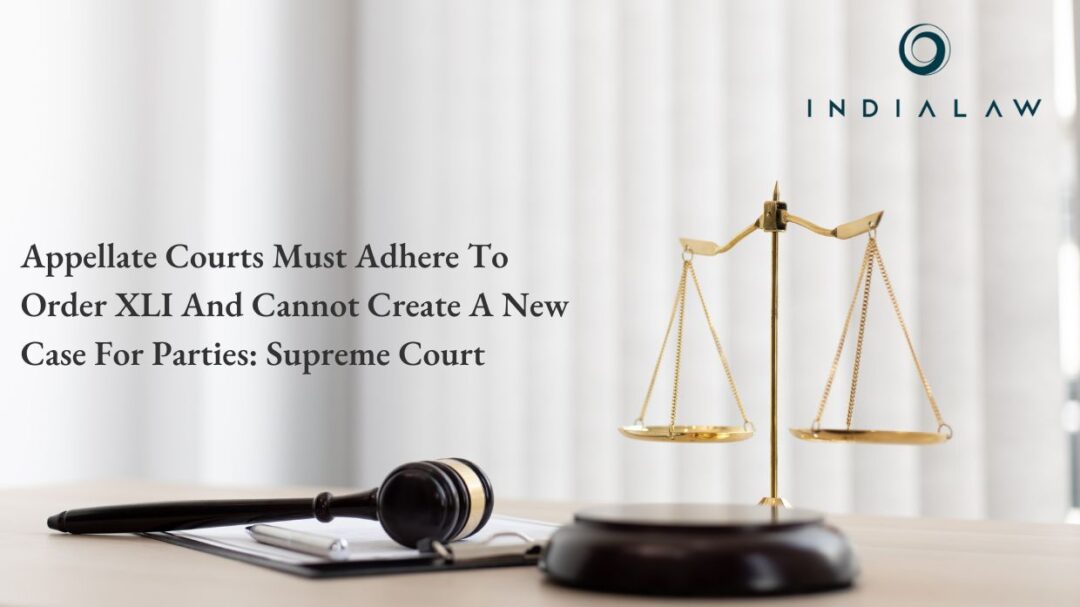
Appellate Courts Must Adhere To Order XLI And Cannot Create A New Case For Parties: Supreme Court →

The Ghosts of Abandoned Suits: How the Supreme Court Used Ancient Latin Maxims to Deny Relief to Parties Who Played Fast and Loose with the Judicial Process →

Supreme Court Lays Down Principles On Amendment Of Plaint Under Order VI Rule 17 Of The Code Of Civil Procedure, 1908 →