Privacy at the Village Lake: Madras High Court Draws the Line on CCTV Surveillance
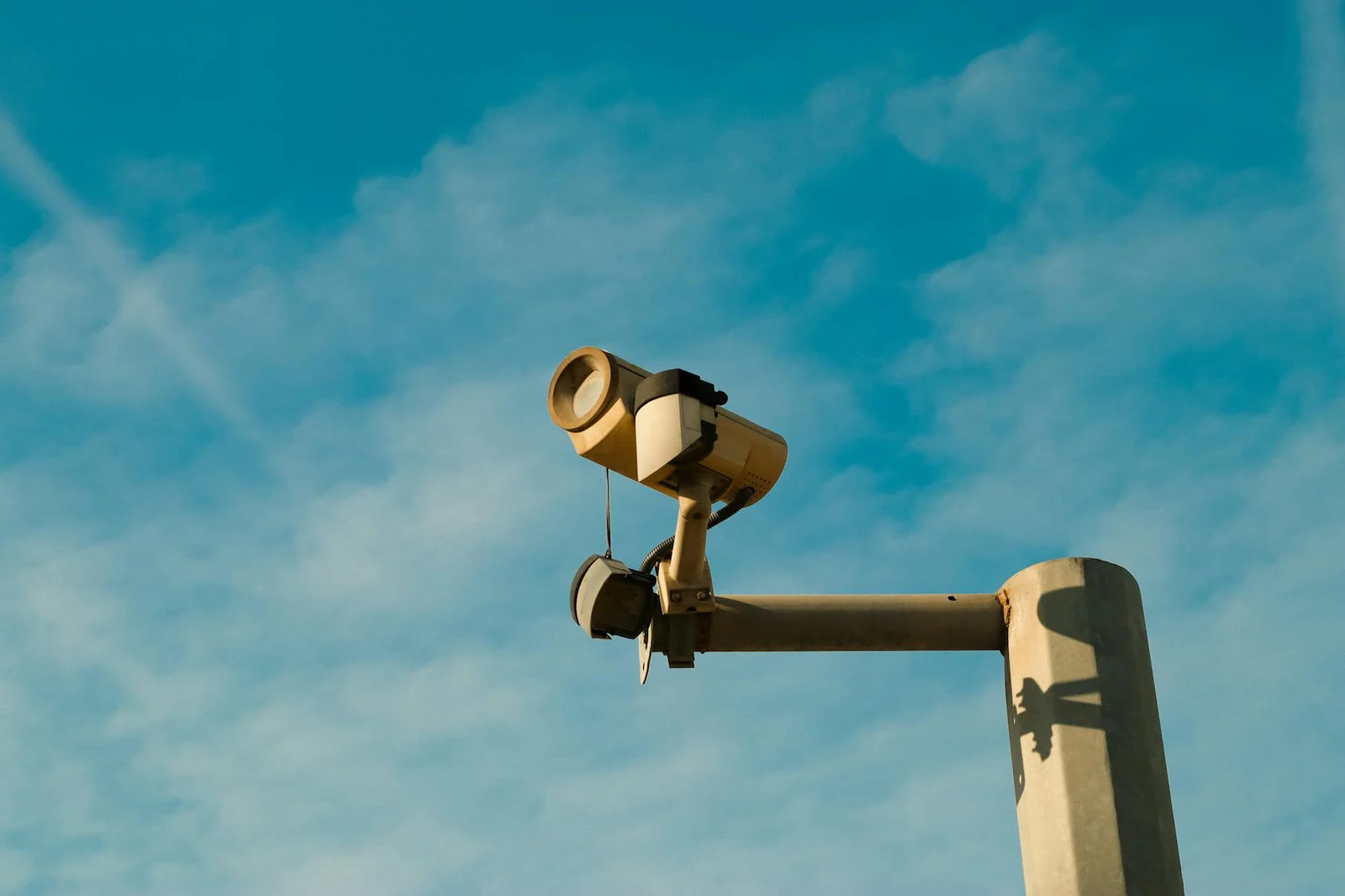
In an era where CCTV cameras have become almost unavoidable, the Madras High Court has delivered a refreshing reminder that privacy still matters even in open public spaces.
In a recent judgment, the Court refused to allow the installation of CCTV cameras around a village lake, observing that such surveillance would intrude upon the daily lives and privacy of villagers who traditionally use the lake for bathing, swimming, and leisure.
The decision came in the case of R. Azhagappan v. The District Collector and Others[1], where the petitioner sought permission to install CCTV cameras near a village tank to prevent illegal fishing, earth mining, and other unauthorized activities.
The Concern: Protecting the Lake
The petitioner, who was the President of an Ayacut Association, argued that anti-social activities were damaging the water body. According to the association, CCTV surveillance was necessary to monitor illegal fishing and unlawful extraction of soil and earth from the lake area.
Interestingly, the association even offered to install the cameras at its own expense.
At first glance, the request appeared reasonable. After all, surveillance cameras are often seen as tools for security and environmental protection. However, the Court looked beyond the surface and asked a more fundamental question:
What happens to people’s privacy when every movement near a community space is monitored?
Village Lakes Are More Than Just Water Bodies
Justice Bharatha Chakravarthy made a significant observation while rejecting the plea. The Court noted that village lakes are not merely public resources; they are deeply woven into the social and cultural fabric of rural life.
For many villagers, especially in rural areas where homes may be small and congested, lake bunds and water bodies function as semi-private community spaces. People gather there, relax there, bathe there, and spend personal moments there.
The Court observed:
“People breathe easy in their privacy in these areas and move around freely.”
This recognition is important because it acknowledges that privacy is not limited to the four walls of one’s home. Privacy can also exist in shared community spaces where people expect freedom from constant surveillance.
The Right to Privacy and Proportionality
The judgment draws strength from the landmark Supreme Court ruling in Justice K.S. Puttaswamy v. Union of India[2], which declared privacy to be a fundamental right under Article 21 of the Constitution.
The Madras High Court clarified that CCTV surveillance may sometimes be justified in public spaces for purposes such as crime prevention or public safety. However, any such intrusion must satisfy the principle of proportionality.
In simple terms, surveillance should only be used when:
- there is a legitimate purpose,
- the measure is necessary, and
- the intrusion into privacy is not excessive.
According to the Court, installing cameras in a sparsely populated rural lake area where villagers regularly bathe and spend leisure time would be disproportionately intrusive.
Environmental Protection vs Privacy
One of the most interesting aspects of this judgment is how it balances two important public interests:
- protection of natural resources, and
- protection of individual privacy.
The Court did not dismiss concerns about illegal activities around the lake. Instead, it suggested a less intrusive alternative. If illegal fishing or earth mining was taking place, the association could file complaints with the police or relevant authorities, who could then investigate the matter according to law.
This approach shows that surveillance should not become the default solution to every problem.
Why This Judgment Matters
This ruling is significant for several reasons.
First, it expands the conversation around privacy in India. Courts are increasingly recognizing that privacy concerns are not limited to digital data or smartphones they also extend to physical surveillance in everyday life.
Second, the judgment highlights the unique nature of rural spaces. Unlike urban environments dominated by cameras and monitoring systems, villages often function through community trust and shared social spaces. Imposing constant surveillance in such settings can fundamentally alter the way people live and interact.
Finally, the decision is a reminder that technology cannot override constitutional freedoms. Even well-intentioned surveillance measures must be carefully scrutinized to ensure they do not unnecessarily invade personal liberty.
Conclusion
The Madras High Court’s ruling is not merely about CCTV cameras near a village lake. It is about defining the boundaries of state and community surveillance in a constitutional democracy.
At a time when monitoring technologies are rapidly expanding, the judgment reinforces a simple but powerful idea: people deserve spaces where they can exist freely without feeling constantly watched.
In protecting the privacy of villagers, the Court has also protected a broader constitutional value the right to live with dignity, autonomy, and freedom from unnecessary intrusion.
For further details write to contact@indialaw.in
By entering the email address you agree to our Privacy Policy.