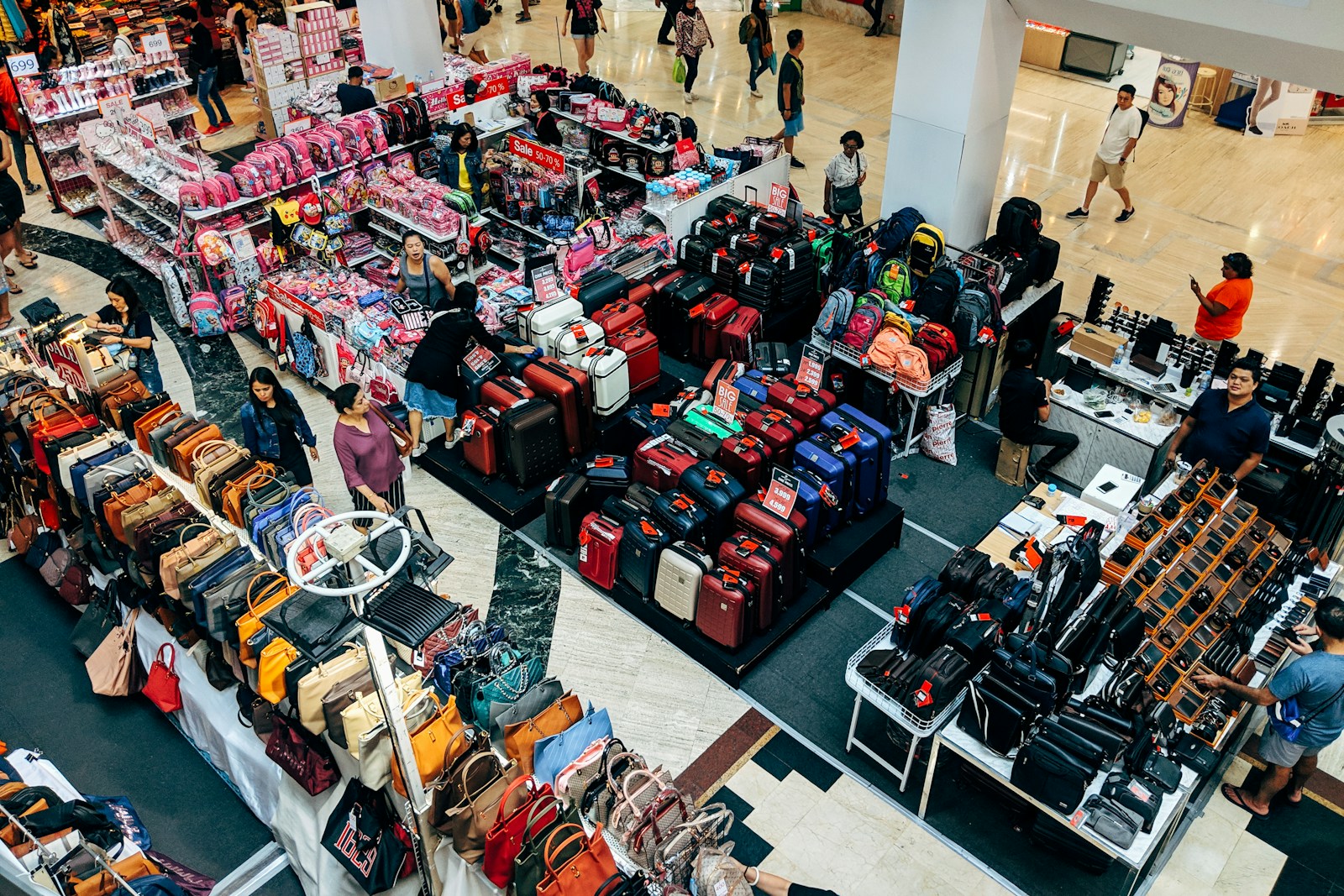
Retail And Wholesale
Retail and Wholesale Law Firm in India for FEMA, Licensing, and IP
India’s retail and wholesale sectors are dynamic and rapidly evolving, driven by factors such as digital transformation, changing consumer preferences, and regulatory reforms. The legal framework governing these sectors encompasses a range of laws and regulations, including the Consumer Protection Act, 2019, Legal Metrology Act, 2009, Foreign Exchange Management Act (FEMA), and various tax and labour laws.
We act for brick-and-mortar stores, e-commerce platforms, single-brand and multi-brand outlets, and wholesale distributors, on entity structuring, Shops and Establishments and GST registration, sector licences such as FSSAI and pharmacy approvals, and franchise, distribution and agency agreements.
Our Services
- Business Structuring and Licensing:
- Advising on the establishment of retail and wholesale businesses, including entity selection and structuring.
- Assisting with obtaining necessary licenses and registrations, such as Shops and Establishments Registration, Goods and Services Tax (GST) registration, and industry-specific licenses like FSSAI for food retailers and pharmacy licenses for pharmaceutical retailers.
- Franchise and Distribution Agreements:
- Drafting and negotiating franchise agreements, distribution agreements, and agency contracts.
- Advising on compliance with franchising laws and regulations.
- Commercial Contracts:
- Preparing and reviewing contracts related to supply, procurement, logistics, warehousing, and service-level agreements.
- Advising on terms and conditions for online and offline sales.
- Intellectual Property Protection:
- Assisting in the registration and enforcement of trademarks, copyrights, and patents.
- Advising on brand protection strategies and handling infringement issues.
- Regulatory Compliance:
- Advising on compliance with consumer protection laws, including labelling requirements and advertising standards.
- Assisting with adherence to legal metrology standards for weights and measures.
- Employment and Labor Law:
- Drafting employment contracts and advising on labour law compliance.
- Handling matters related to employee benefits, workplace policies, and dispute resolution.
- E-commerce and Digital Business:
- Advising on legal aspects of e-commerce operations, including website terms of use, privacy policies, and data protection compliance.
- Assisting with compliance under the Information Technology Act and related regulations.
- Foreign Direct Investment (FDI):
- Advising on FDI regulations applicable to retail and wholesale sectors.
- Assisting with structuring investments and obtaining necessary approvals.
- Dispute Resolution:
- Representing clients in disputes related to commercial contracts, consumer complaints, and regulatory issues.
- Handling litigation, arbitration, and mediation proceedings.
Key Highlights
Retail disputes usually start in the paperwork: a franchise agreement that does not survive a territory change, a distribution contract with no workable exit, a label that fails a Legal Metrology inspection. We draft with those failure points in mind, and act when they surface.
Related Expertise
Key Professionals


FAQs
What does a retail and wholesale legal practice cover in India?
It covers business structuring, licensing, franchise and distribution agreements, supply chain contracts, IP protection, regulatory compliance under consumer protection and legal metrology laws, and e-commerce advisory for both brick-and-mortar and online retail formats.
When should a retail or wholesale business seek legal counsel in India?
Ideally before launch, when selecting an entity structure, negotiating leases, or drafting supplier contracts. Legal input is also critical when expanding into e-commerce, entering franchise arrangements, onboarding foreign investment under FEMA, or responding to a regulatory notice.
Which Indian laws and regulators govern the retail and wholesale sectors?
Key statutes include the Consumer Protection Act 2019, Legal Metrology Act 2009, FEMA for foreign investment norms, GST laws, FSSAI regulations for food retail, and the Shops and Establishments Acts of each state. The CCI oversees anti-competitive conduct in distribution chains.
What is the typical timeline for setting up a retail business in India?
Company incorporation via MCA takes roughly 7 to 10 days. GST registration follows within a week. State-level Shops and Establishments registration, FSSAI licensing, and trade permits may add 4 to 12 weeks depending on the state, product category, and format of the outlet.
What documents are needed to begin legal work for a retail venture?
We typically require the proposed business plan, entity incorporation documents, lease or property agreements, supplier and franchise term sheets, product labelling details, and any existing licenses. For foreign-invested entities, FEMA filings and FDI approval records are also needed.
What common compliance mistakes do Indian retailers make?
Frequent errors include non-compliance with MRP and packaging rules under the Legal Metrology Act, missing state-level labour registrations, inadequate consumer grievance mechanisms required under the Consumer Protection Act 2019, and incorrect GST classification of bundled goods and services.
Related Insights
View All →
Director-Level Accountability and AEO Facilitation Under the Latest Legal Metrology (Packaged Commodities) Amendment Rules →

Medical Devices Step Out of Legal Metrology (Packaged Commodities) Shadow: 2025 Amendment Ends Labelling Confusion →

The Department of Food & Supplies, Consumer Affairs, and Legal Metrology, U.T. Chandigarh Issues Advisory to Prevent Automatic Levy of Service Charges by Hotels & Restaurants →

The Importance of Weighing Scales in Retail Outlets Selling Packaged Commodities →
Fair Trade Made Easy: “eMaap” The National Legal Metrology Portal is Here →