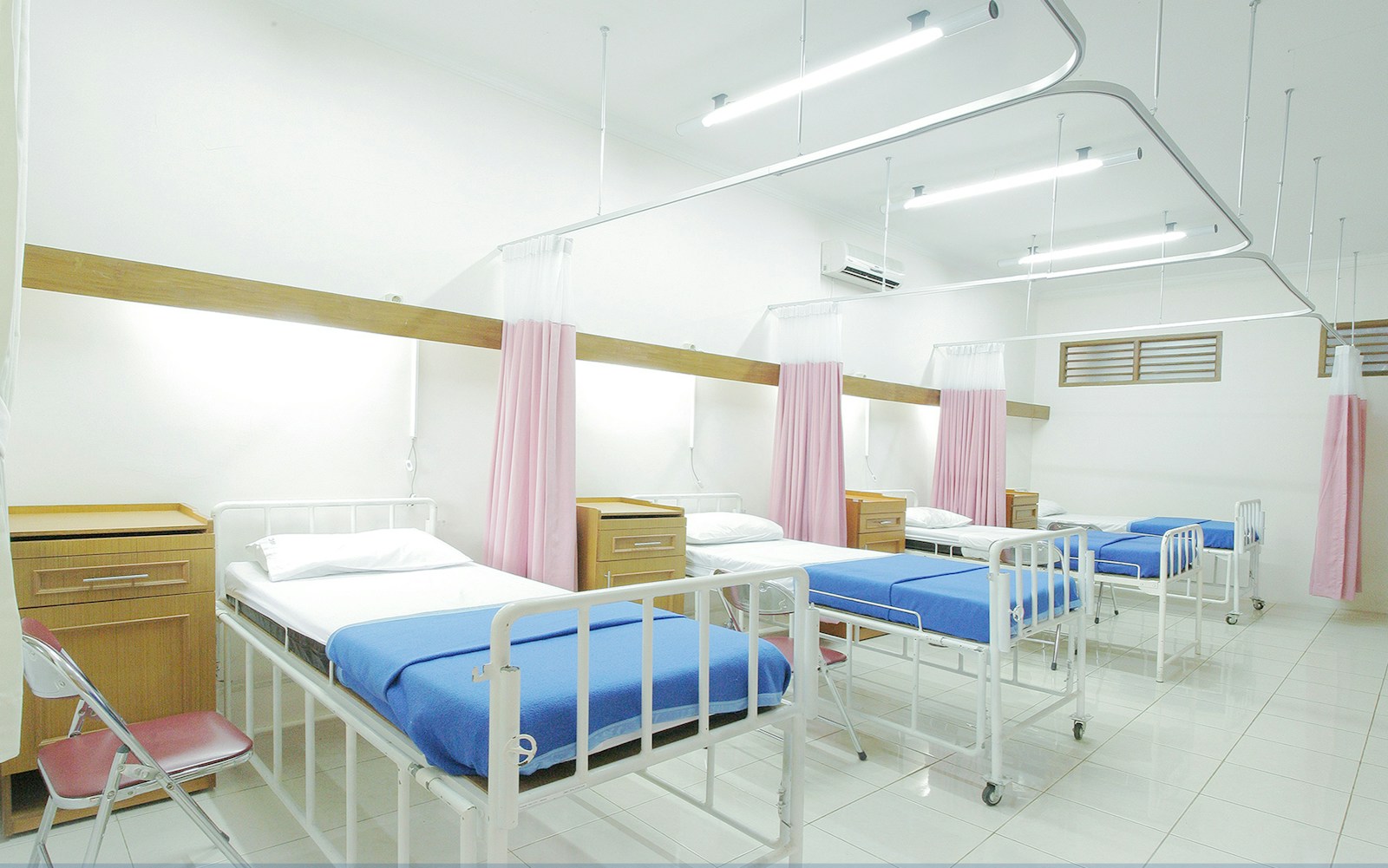
Life Sciences And Hospitals
Life Sciences and Hospitals Law Firm in India for CDSCO Matters
Our Life Sciences & Hospitals practice delivers end-to-end legal support to pharmaceutical manufacturers, biotechnology innovators, medical-device companies, clinical-research organizations, and healthcare providers throughout India. We help clients navigate India’s complex regulatory environment from securing CDSCO approvals under the New Drugs and Clinical Trials Rules (2019) and Medical Devices Rules (2017) to obtaining Clinical Establishments Act registrations and NABH accreditation for hospitals and clinics
Our Services
- Regulatory Approvals & Licensing: Navigating CDSCO processes for drug-manufacturing licences, clinical-trial approvals, and medical-device registrations under the New Drugs and Clinical Trials Rules 2019 and Medical Devices Rules 2017
- Ethics Committee Formation & Compliance: Establishing and registering Institutional Ethics Committees in line with ICMR’s National Ethical Guidelines (2017), drafting informed-consent forms, and ensuring DPDP Act and patient-data privacy compliance
- Hospital Licensing & Accreditation: Securing registrations under the Clinical Establishments (Registration and Regulation) Act 2010 and guiding hospitals through NABH accreditation to meet over 600 quality-and-safety parameters.
- Transactional & PPP Structuring: Advising on M&A, joint ventures, private-equity investments, and PPP frameworks for tertiary-care and multi-specialty hospital projects, including concession agreements, land leases, and project financing
- Intellectual Property & Technology Transfer: Handling patent prosecution, pre- and post-grant oppositions, and licensing for drugs, biologics, and medical devices under India’s post-TRIPS patent regime, which grants 20-year protection and accommodates pre-grant opposition
- Dispute Resolution & Litigation: Representing clients before CDSCO appeals, IP tribunals, consumer forums, and commercial courts in matters ranging from clinical-trial disputes to healthcare negligence and product-liability claims.
- Emerging & Digital Health Advisory: Guiding telemedicine platforms, digital-health startups, and insuretech ventures on regulatory approvals, intermediary obligations, and data-security requirements under India’s evolving healthcare and data-protection laws.
Key Highlights
Our multidisciplinary team combines in-depth knowledge of India’s regulatory bodies (CDSCO, ICMR, IRDAI) and quality standards (NABH) with extensive experience advising both established market leaders and innovative startups. We offer practical, business-oriented legal solutions that anticipate regulatory shifts whether drafting clinical-trial protocols, securing market approvals, structuring hospital PPPs, or protecting advanced biotech inventions. Partner with us to navigate India’s dynamic life-sciences and healthcare landscape with confidence and precision.
FAQs
What does a life sciences and hospitals legal practice cover in India?
It spans regulatory approvals for drugs, biologics, and medical devices under CDSCO; hospital licensing and NABH accreditation; clinical trial compliance; healthcare M&A and PPP structuring; IP prosecution for pharma patents; and dispute resolution before consumer forums and IP tribunals.
When should a healthcare or pharma company engage a life sciences lawyer?
Ideally before filing any CDSCO application, launching a clinical trial, or signing a hospital acquisition or PPP concession. Early legal input prevents costly re-filings, ethics committee deficiencies, and post-approval compliance gaps that regulators increasingly scrutinize.
Which Indian regulators and statutes govern life sciences and hospital operations?
CDSCO administers the Drugs and Cosmetics Act, New Drugs and Clinical Trials Rules 2019, and Medical Devices Rules 2017. Hospitals fall under the Clinical Establishments Act 2010 and state health department rules. ICMR’s National Ethical Guidelines 2017 and the DPDP Act govern trial ethics and patient data.
How long does a typical CDSCO drug or medical device approval process take?
Timelines vary by category. A new drug clinical trial permission may take 30 to 90 working days under the 2019 Rules. Class C and D medical device registrations often require 6 to 12 months, including testing and plant inspections. Incomplete dossiers are the primary cause of delays.
What documents are needed to begin a life sciences regulatory engagement?
We typically require the product dossier or device master file, existing manufacturing licences, ethics committee registration details, clinical trial protocols if applicable, corporate structure charts, and any prior CDSCO correspondence. For hospitals, we need building plans, staffing records, and state registration certificates.
What common mistakes do life sciences companies make with Indian regulatory filings?
Filing clinical trial applications without a properly registered ethics committee is a frequent error that triggers outright rejection. Others include misclassifying medical devices under the wrong risk class, neglecting pharmacovigilance obligations post-approval, and failing to align patient consent forms with DPDP Act requirements.