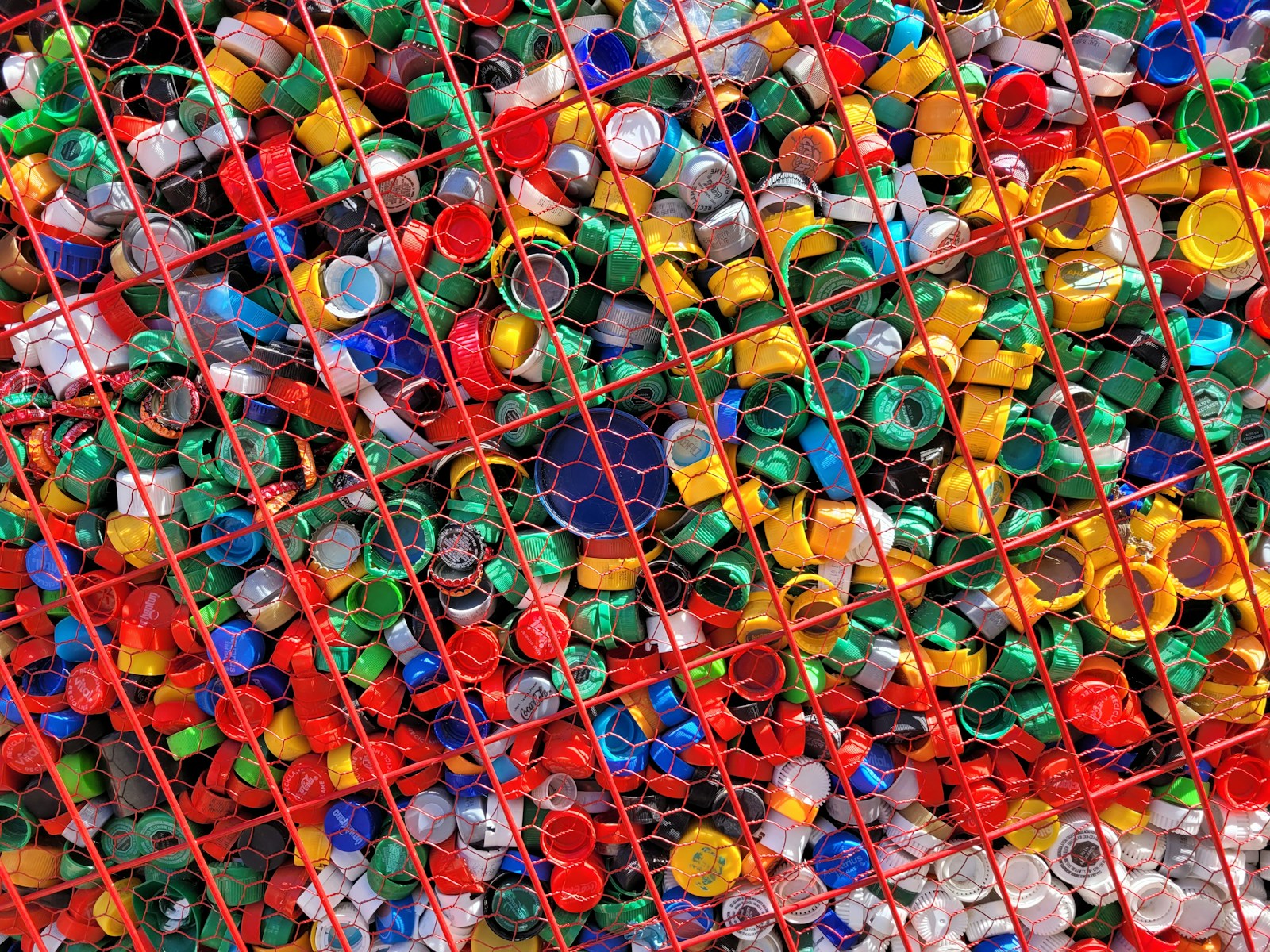
Circular Economy & 4Rs (Reduce, Reuse, Recycle, Recover)
Circular Economy Law Firm in India for EPR, Waste Recycling, and Compliance
Our Circular Economy & 4Rs practice provides specialized legal guidance on transitioning from linear to circular business models. We help clients navigate the regulatory landscape governing waste reduction, material reuse, recycling operations, and resource recovery initiatives. Our team develops legally compliant frameworks for implementing the 4Rs principles—Reduce, Reuse, Recycle, and Recover—enabling businesses to minimize waste generation, optimize resource utilization, and create value from materials previously considered waste, while ensuring compliance with evolving environmental regulations.
Our Services
- Legal structuring of circular business models and resource sharing arrangements
- Compliance with waste reduction and prevention regulations
- Advisory on reuse requirements and refurbishment operations
- Guidance on recycling standards, certifications, and chain of custody
- Development of resource recovery programs and waste-to-energy initiatives
- Legal support for extended producer responsibility implementation
- Structuring of reverse logistics systems and take-back programs
- Compliance with material recovery and recyclability requirements
- Advisory on product design for circularity and disassembly
- Legal frameworks for upcycling operations and by-product utilization
- Guidance on waste trading and secondary materials markets
FAQs
What does a Circular Economy and 4Rs legal practice actually cover?
It covers legal structuring for businesses shifting from linear take, make, dispose models to circular ones. This includes compliance frameworks for waste reduction, material reuse, recycling operations, resource recovery, reverse logistics, and secondary materials trading under Indian environmental law.
When should a business seek legal advice on circular economy compliance?
Ideally before launching any product line subject to Extended Producer Responsibility obligations, setting up recycling or waste to energy facilities, or entering secondary materials markets. Early advisory helps avoid costly retrofitting of operations to meet regulatory requirements later.
Which Indian laws and regulators govern circular economy operations?
The primary framework is the Environment Protection Act, 1986, supplemented by specific rules issued by MoEFCC: Plastic Waste Management Rules 2016, E-Waste Management Rules 2022, and Solid Waste Management Rules 2016. CPCB and SPCBs handle registration, authorization, and enforcement.
What does a typical EPR compliance engagement involve in terms of process?
It begins with a product and material audit, followed by EPR registration on the CPCB portal, drafting of EPR action plans, and structuring agreements with authorized recyclers or Producer Responsibility Organizations. Timelines vary, but initial registration typically takes 60 to 120 days.
What documents are needed to set up a legally compliant recycling operation?
You will generally need SPCB consent to establish and operate, EPR authorization from CPCB, fire and factory licenses, GST registration, pollution control clearances, and details of feedstock sourcing agreements. For waste to energy projects, environmental impact assessment documentation may also be required.
What common mistake do companies make with Extended Producer Responsibility?
Many producers treat EPR as a one time registration task and neglect ongoing obligations like annual filing of returns, meeting collection and recycling targets, and maintaining auditable chain of custody records. Non compliance can trigger penalties and suspension of EPR certificates by CPCB.