Sanctuary or Survival? The Supreme Court’s Great Deer Debate and the Ethics of Conservation
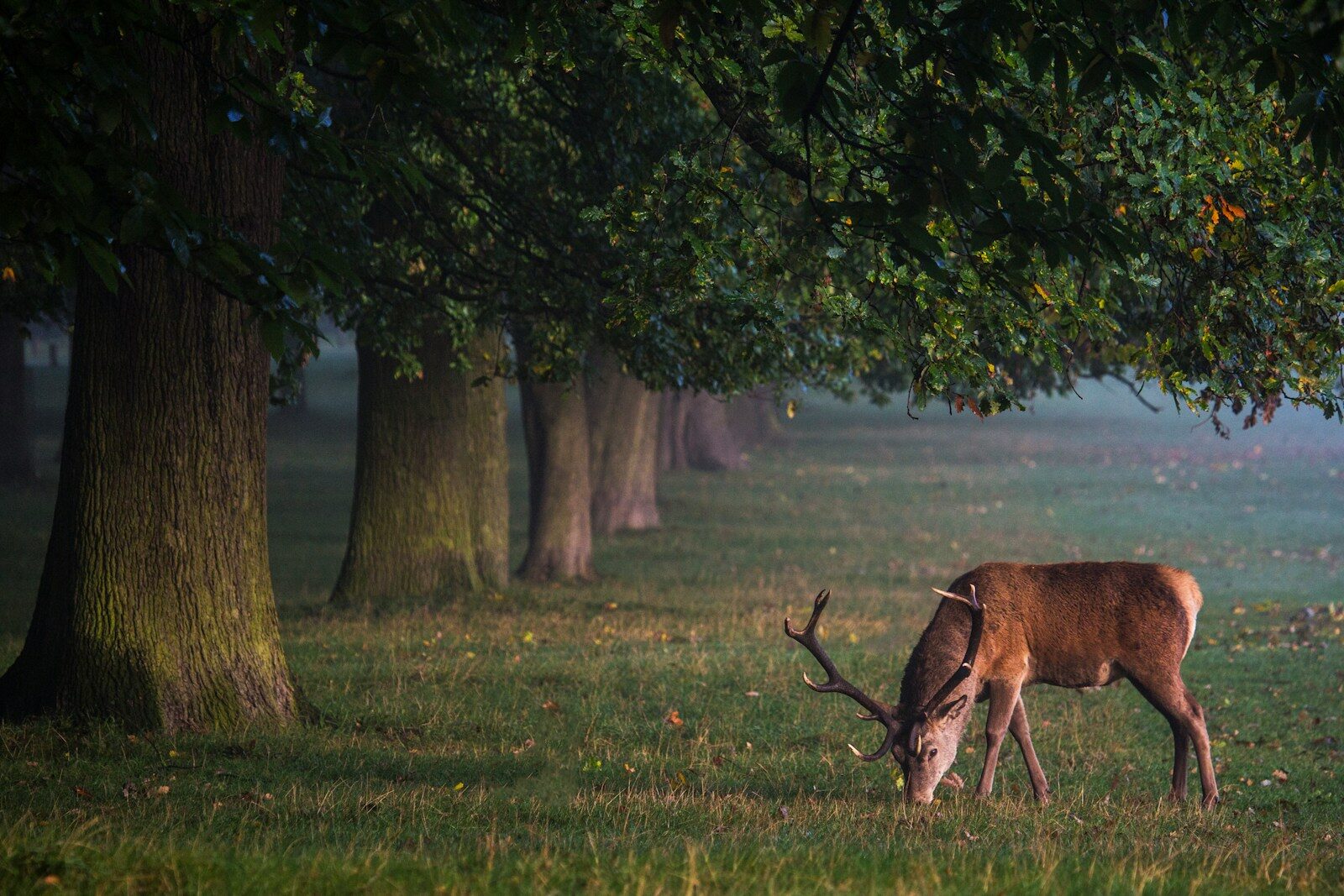
In a landmark decision dated April 27, 2026, the Supreme Court of India ruled on a complex ecological puzzle that has sparked a fierce debate among conservationists, animal lovers, and scientists. The case, New Delhi Nature Society vs. Director Horticulture DDA & Ors., revolves around the fate of hundreds of spotted deer residing in the A.N. Jha Deer Park in Hauz Khas, New Delhi.
While the Court’s ruling provides a detailed scientific roadmap for wildlife management, it also exposes a profound philosophical divide: Does true conservation mean protecting individual animals from harm, or does it mean sacrificing them to restore the broader ecological balance?
The Dilemma: A Park Bursting at the Seams
For decades, the A.N. Jha Deer Park has been a lush urban oasis. However, a lack of effective population control and sterilization measures led to an exponential increase in the deer population. The situation reached a critical breaking point when the Central Zoo Authority (CZA) cancelled the park’s “mini zoo” recognition due to persistent non-compliance with management norms.
An assessment by the Central Empowered Committee (CEC) revealed a stark reality: based on usable space, the enclosure can only sustainably and humanely accommodate 38 spotted deer, ideally 15 males and 23 females. With hundreds of deer present, a massive surplus needed a solution. But what should that solution be?
The Case for Compassionate Containment
The petitioners, representing the New Delhi Nature Society, fiercely argued against moving the animals. Their argument was rooted in empathy and the immediate welfare of the deer.
1. The Trauma of Translocation: The petitioners highlighted that these deer have been confined to a controlled, captive habitat for a considerable period. Uprooting them and dropping them into unfamiliar open forest ecosystems exposes them to immense stress and severe survival challenges. A previous attempt to translocate some deer from the park was criticized by the CEC itself as being “unduly harsh” and not in consonance with established wildlife principles.
2. The Space to Expand: Instead of subjecting the animals to the trauma of relocation, advocates argued that the authorities should utilize sufficient contiguous and adjoining land around the park to accommodate the population. Expanding the habitat, they argued, would solve the overcrowding issue while keeping the deer in a familiar, protected environment.
The Case for Ecological Integration
On the other side of the debate stand the CEC and the Supreme Court, whose perspective prioritizes long-term scientific viability and “trophic balance” over the comfort of individual animals.
1. Shifting the Problem: The CEC firmly rejected the idea of simply expanding the park or moving the deer to other DDA-managed areas in Delhi. They argued that without fundamental improvements in habitat quality and population regulation, keeping the deer in the city merely relocates the problem rather than solving it.
2. Embracing the “Circle of Life”: The most controversial aspect of the Court’s ruling is the destination of the surplus deer: the Mukundara Hills Tiger Reserve and Ramgarh Vishdhari Tiger Reserve in Rajasthan. For animal lovers, sending tame deer to a tiger reserve sounds like a death sentence. However, the scientific community views this differently. The CEC report explicitly states that natural predation by tigers and leopards represents “successful ecological integration”. Serving as prey helps stabilize predator dynamics, enhances the genetic fitness of the surviving deer, and maintains the overall balance of the wild ecosystem.
The Supreme Court’s Middle Ground
Faced with these competing ideologies, the Supreme Court ruled in favor of translocation but mandated strict, compassionate protocols to bridge the gap between animal welfare and ecological necessity.
To ensure the animals are not simply dumped into the wild to fend for themselves, the Court ordered:
- Mandatory Soft Releases: Direct “hard releases” are strictly prohibited. Animals must be acclimatized slowly.
- Scientific Tracking: Telemetry collars must be deployed on a subset of the translocated deer to scientifically assess their survival and dispersal.
- Humane Transport: Specialized prey transfer vehicles must be used to ensure stress-minimized transport.
- A Protected Future for the Park: While most of the deer will leave, the A.N. Jha Deer Park itself has been declared a protected forest, ensuring the land remains an urban ecological zone forever. Up to 38 deer will be allowed to remain, pending CZA approval.
The Ongoing Conversation
The Supreme Court has drawn a definitive line: true wildlife conservation cannot mean keeping animals in perpetual captivity just to keep them safe from predators. However, the emotional debate between protecting the individual animal versus saving the ecosystem continues to resonate.
When balancing the immediate emotional distress of a captive animal against the long-term health of a broader, wild ecosystem, which side of the debate do you find yourself leaning toward, and why?
For more details, write to us at: contact@indialaw.in
Reference:
By entering the email address you agree to our Privacy Policy.