Driving Green Innovation: Key Takeaways from India’s EV Battery Swapping Guidelines
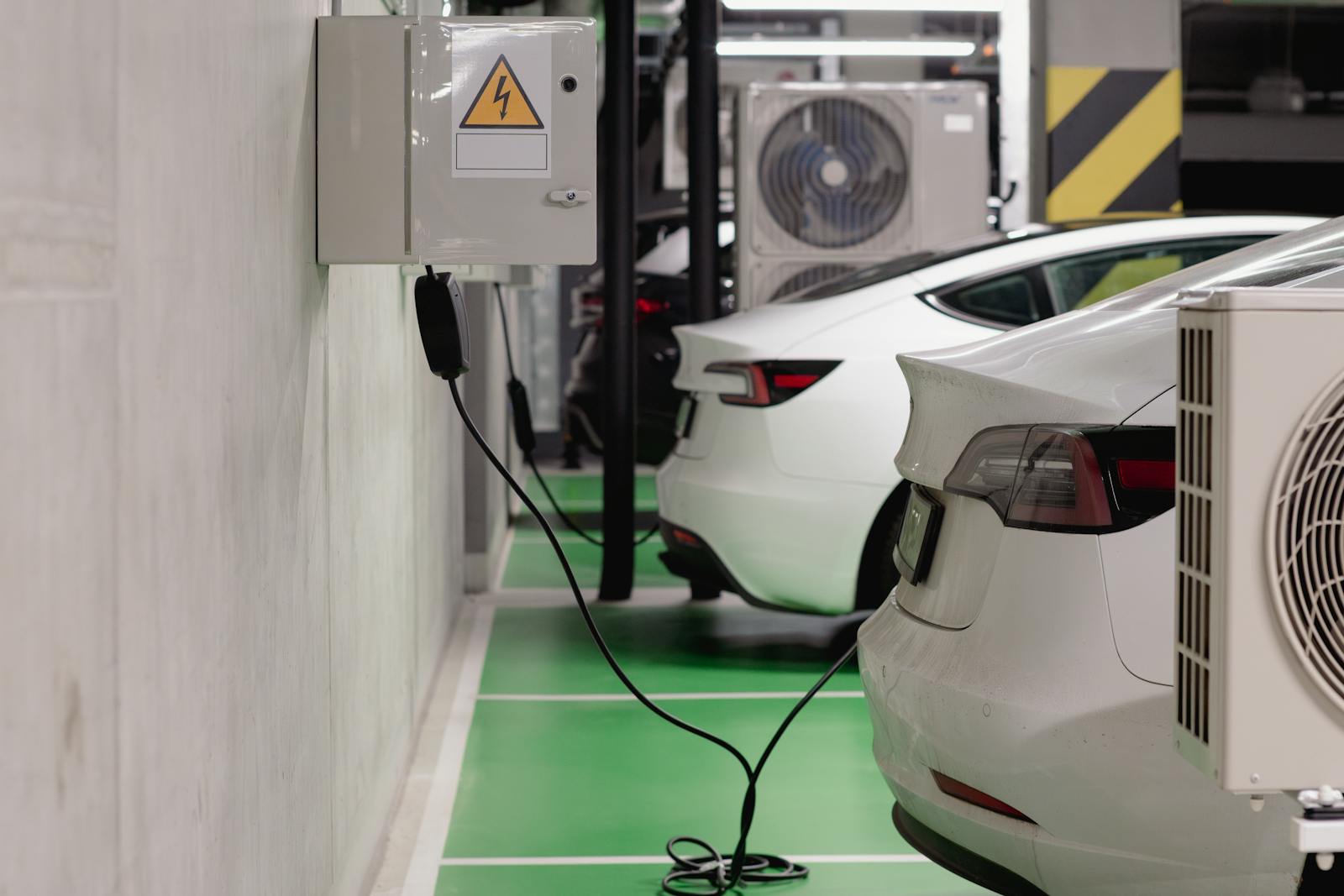
The Ministry of Power, Government of India, has issued comprehensive guidelines for the installation and operation of battery swapping and charging stations, aiming to simplify electric vehicle (EV) infrastructure and promote sustainability. Here’s a detailed look at the key aspects of these guidelines:
Scope and Applicability
The guidelines are applicable to:
- Swappable battery providers.
- Owners and operators of battery charging stations (BCS).
- Owners and operators of battery swapping stations (BSS).
These provisions cover facilities located nationwide and aim to develop a strong ecosystem for battery swapping and charging.
Objectives
The primary objectives are to:
- Promote battery swapping as an alternative to traditional EV charging.
- Encourage the Battery as a Service (BaaS) model for ease of access.
- Enable the development of a battery swapping ecosystem to support EV adoption.
What is Battery Swapping?
Battery swapping is a process where an EV’s discharged battery is quickly replaced with a fully charged one at a dedicated station. This eliminates the wait time associated with recharging batteries and ensures operational efficiency.
Key Definitions
- Battery as a Service (BaaS): A model where third-party providers own and manage batteries, leasing them to users.
- Battery Charging Station (BCS): Facilities that recharge swappable EV batteries.
- Battery Swapping Station (BSS): Locations where discharged batteries are replaced with charged ones.
- Battery to Grid (B2G): Systems enabling batteries to supply electricity back to the grid when required.
- Swappable Battery: Modular batteries designed for quick replacement to extend EV range.
Provisions and Rules
- Use of Existing Electricity Connections (Rule 7): Owners of BCS and BSS can use existing electricity connections with or without increasing the connected load.
- Deployment of Advanced Batteries (Rule 8): Stations can deploy liquid-cooled swappable batteries for larger EVs such as buses and trucks.
- Safety Compliance (Rule 6): All safety provisions applicable to EV charging stations also apply to swapping and charging stations.
Additionally, certain clauses from the “Guidelines for Installation and Operation of Electric Vehicle Charging Infrastructure—2024” are extended to cover battery charging and swapping facilities.
Impact
These guidelines aim to standardize the development of battery swapping and charging infrastructure, improve EV accessibility, and promote sustainable transportation. By encouraging innovations like BaaS and B2G systems, the government seeks to support India’s transition to a cleaner mobility future.
The Ministry of Power’s guidelines mark a significant step toward encouraging an accessible, efficient, and scalable EV infrastructure in India. By addressing battery swapping, innovative models like Battery as a Service, and grid integration, the government aims to accelerate the adoption of electric vehicles while promoting sustainability and operational efficiency. These guidelines provide clarity for stakeholders and pave the way for a cleaner, greener future in mobility.
For further details write to contact@indialaw.in
By entering the email address you agree to our Privacy Policy.